If you’ve seen someone say “bub” in a text, gaming chat, or social media comment, you might have wondered whether it sounds friendly, sarcastic, or even a little rude. The truth is, “bub” is one of those slang words that completely changes meaning based on tone and context. Some people use it like “buddy” or “bro,” while others say it jokingly during arguments or playful conversations.
That’s why so many people search for the real “bub meaning in text.” Online, the word is commonly used in casual chats, memes, and messaging apps, especially among younger users and gamers. Understanding how people actually use “bub” helps you avoid awkward misunderstandings and reply more naturally in conversations.
What Does Bub Mean in Text?
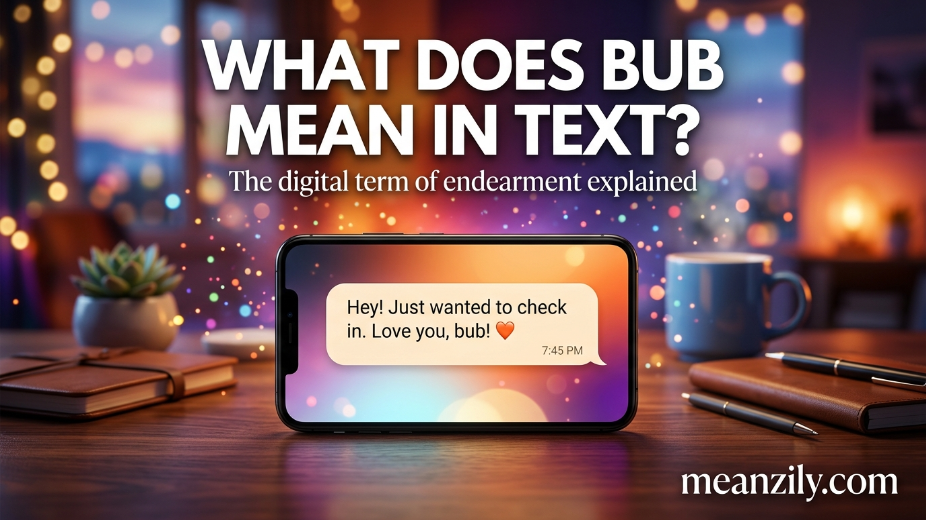
The bub meaning in text refers to an informal way of addressing someone. It often works as a nickname rather than a full word with a fixed definition.
You may see it used like:
- “Relax, bub.”
- “Good job, bub!”
- “Listen here, bub.”
Bub Slang Meaning
In modern internet slang, “bub” usually means:
- Buddy
- Friend
- Bro
- Dude
- Someone you’re talking to casually
Depending on tone, it can sound friendly or slightly teasing.
What Does Bub Mean in Chat?
In chats, people use “bub” when they want conversations to feel relaxed or informal.
Examples:
- Friendly encouragement
- Playful teasing
- Mild disagreement
- Casual conversation starters
It’s commonly typed quickly instead of longer words like “buddy.”
Is Bub an Acronym or Short Form?
“Bub” is not an acronym.
Instead, it is:
- ✅ A shortened spoken nickname (from buddy or brother)
- ✅ A casual conversational slang word
- ✅ A typing-friendly variation used in fast chats
It developed naturally through everyday speech rather than internet abbreviations.
Meaning Across Different Platforms
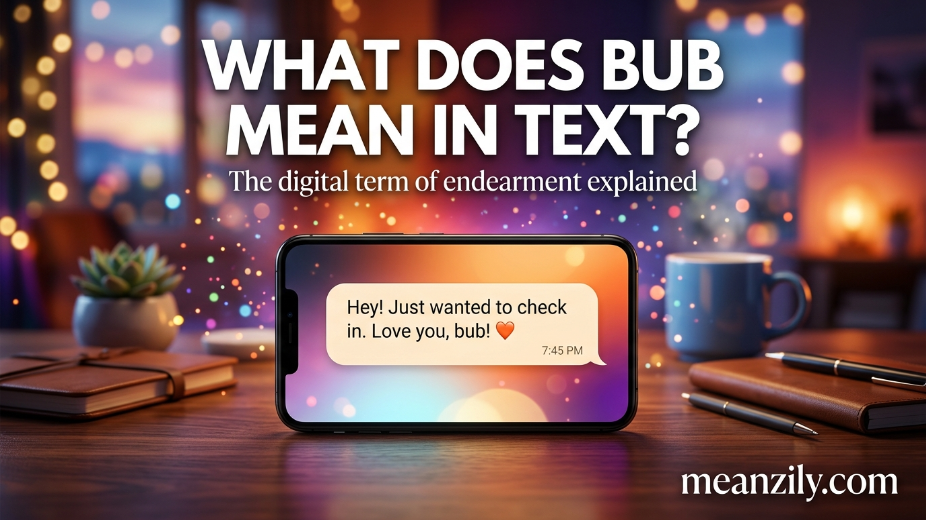
The meaning stays similar everywhere, but tone changes depending on the platform culture.
Bub Meaning on Snapchat
On Snapchat, “bub” usually feels:
- Friendly
- Personal
- Slightly affectionate
Example:
A: You disappeared today 😂
B: Chill bub, I was busy.
Here it sounds warm and casual.
Bub Meaning on TikTok
On TikTok comments or replies, the word often becomes more playful or sarcastic.
Example:
“Nice try, bub.”
Users sometimes use it humorously during debates or reactions.
Bub Meaning on Instagram
On Instagram DMs or comments, it often shows familiarity.
People may use it with friends or followers they interact with regularly.
Example:
“Proud of you, bub 👏”
Tone: Supportive.
Bub Meaning on WhatsApp
On WhatsApp chats, especially among friends or family, it feels more personal.
Sometimes older users also use it naturally in conversation.
Example:
“Call me later, bub.”
Bub Meaning in SMS Text Messages
In standard texting, it may sound:
- Friendly
- Protective
- Slightly serious depending on wording
Example:
“Careful out there, bub.”
Tone & Context Variations of Bub
Tone completely changes how the word feels.
Below are realistic chat-style examples.
Funny Tone
A: I ate your snacks.
B: Wow bub… betrayal detected.
A: Worth it 😂
A: Lost again in the game?
B: Quiet, bub.
Playful Tone
A: You still awake?
B: Always, bub.
A: Race you tomorrow.
B: You’re going down, bub.
Romantic or Affectionate Tone
Sometimes couples use it as a cute nickname.
A: Miss you.
B: Miss you too, bub ❤️
A: Did you eat dinner?
B: Yes bub, don’t worry.
Sarcastic Tone
A: I totally know what I’m doing.
B: Sure you do, bub.
A: That was smart.
B: Real genius move there, bub.
Angry or Confrontational Tone
Tone matters a lot here.
A: Move aside.
B: Watch it, bub.
A: Don’t talk like that.
B: Relax, bub.
In arguments, it can sound slightly challenging.
Grammar & Language Role of “Bub”
Understanding how the word works grammatically helps avoid awkward use.
Part of Speech
“Bub” acts mainly as:
- A noun (nickname) used to address someone directly.
Example:
“Listen, bub.”
Sentence Role
It often works as:
- Direct address
- Conversation softener
- Attention grabber
Example positions:
Beginning:
- Bub, you forgot your keys.
Middle:
- Relax, bub, it’s fine.
End:
- Good game, bub.
Does It Replace a Full Sentence?
Sometimes yes.
Example:
A: You okay?
B: Yeah, bub.
Here it replaces longer reassurance.
Formal vs Informal Usage
Informal only.
Avoid using it in:
- Professional emails
- Academic writing
- Official communication
It fits casual conversations best.
Tone Impact
Adding “bub” can make a message sound:
- Friendly
- Teasing
- Slightly dominant
- Protective
Context decides everything.
How to Reply When Someone Says “Bub”
Many people wonder how to respond naturally.
Here are modern reply ideas.
Funny Replies
- “Easy there, champ 😂”
- “Who you calling bub?”
- “Alright boss.”
- “Calm down legend.”
Serious Replies
- “Got it.”
- “Thanks for letting me know.”
- “I understand.”
Flirty Replies
- “Only you get to call me that 😉”
- “That sounds cute coming from you.”
- “Okay… I kinda like that.”
Neutral Replies
- “Sure.”
- “Alright.”
- “No problem.”
- “Sounds good.”
Is Bub Rude or a Bad Word?
This depends on tone and situation.
Is Bub Rude?
Usually no.
But it can sound rude if used during disagreement.
Example:
“Listen here, bub.”
This may feel confrontational.
Is It Disrespectful?
Not normally.
Friends often use it comfortably.
However:
- Strangers may misunderstand it.
- Tone can make it sound patronizing.
Is Bub a Bad Word?
No.
It is considered safe everyday slang.
There is no offensive meaning attached to it.
Can You Use It in School?
Yes, casually among friends.
But avoid using it toward teachers or authority figures.
Can You Use It at Work?
Best avoided in professional environments unless coworkers already joke casually.
Who Uses the Term Bub?
Age Groups
Most common among:
- Teenagers
- Gen Z users
- Young adults
But older generations also use it because the word existed long before internet slang.
Gen Z vs Millennials
Gen Z:
- Uses it playfully or sarcastically online.
Millennials:
- Often use it casually or humorously.
Regional Usage
Popular in:
- United States
- Canada
- Australia
- Online gaming communities worldwide
Now spreading globally through social media.
Most Common Platforms
You’ll see it most on:
- Messaging apps
- Gaming chats
- Comment sections
- Private DMs
Origin & Internet Culture Behind Bub
The word actually existed long before smartphones.
Possible origins include:
- Shortened version of buddy
- Family nickname for children
- Regional slang in North America
Internet culture helped revive it.
Gaming communities and short-message typing habits made small words like “bub” popular again.
Unlike many slang terms, it didn’t start from a single viral trend. Its growth happened gradually through everyday online conversations.
Comparison Table: Bub vs Similar Chat Slang
| Term | Meaning | Formal/Informal | Tone | Popularity | Confusion Risk |
|---|---|---|---|---|---|
| Bub | Buddy / casual address | Informal | Friendly or sarcastic | Medium growing | Medium |
| IDK | I don’t know | Informal | Neutral | Very high | Low |
| Ion | I don’t | Informal slang | Casual | High | Medium |
| Dunno | Don’t know | Semi-informal | Relaxed | High | Low |
| IDC | I don’t care | Informal | Dismissive | Very high | Low |
Real Chat Observation: How People Actually Use Bub
In real conversations, people rarely stop to think about the word itself. It usually appears during relaxed chats where relationships already feel comfortable.
Gamers use it jokingly after wins or losses. Friends use it during teasing conversations. Sometimes it even softens advice or warnings, making messages feel less harsh.
That flexibility explains why the term keeps appearing across different apps.
Why “Bub” Feels Different From Other Nicknames
Unlike words such as “bro” or “dude,” the term “bub” carries a softer and more personal tone in many conversations. It can sound protective, playful, or slightly old-fashioned depending on who says it.
That emotional flexibility is part of why the word stands out online. Some people use it warmly with close friends, while others use it jokingly to create a relaxed atmosphere in chats.
Why Gamers Use “Bub” So Often
Gaming culture helped make “bub” more common in modern internet slang. During multiplayer matches, players often use short words to react quickly while chatting.
The term works well because it’s:
Easy to type
Casual
Recognizable
Flexible in tone
In gaming chats, it may appear after jokes, wins, mistakes, or competitive banter between teammates.
Emotional Meanings Hidden Behind “Bub”
Even though it looks like a simple slang word, “bub” can quietly carry emotional meaning.
Some people use it to:
Show closeness
Reduce tension
Sound caring
Hide frustration behind humor
This emotional flexibility makes the word feel more natural in relaxed digital conversations.
How Different Generations Interpret “Bub”
Older and younger users sometimes understand the word differently.
Older generations may associate “bub” with:
Childhood nicknames
Family language
Traditional speech
Meanwhile, Gen Z often treats it as:
Internet humor
Playful sarcasm
Casual online slang
Because of this, reactions to the word can vary depending on age and cultural background.
Situations Where “Bub” Sounds Most Natural
The word works best in conversations that already feel relaxed and familiar.
Examples include:
Late-night chats with friends
Gaming conversations
Friendly teasing
Casual social media replies
Supportive messages
Using it naturally matters more than forcing it into every conversation.
Why Tone Is More Important Than the Word Itself
The actual word “bub” is harmless. The emotional impact comes almost entirely from delivery and context.
A friendly tone can make it sound warm and funny. A harsh tone can make the same word feel dismissive or aggressive.
This is why two people can read the same message completely differently online.
Internet Trends That Helped Bub Become Popular Again
Short slang terms became more common as social media platforms pushed faster communication styles.
Apps like TikTok, Snapchat, and Discord encouraged users to type quickly and casually. As a result, older conversational words like “bub” started appearing again because they fit naturally into short-form communication.
Instead of long sentences, users preferred compact words with personality.
The Difference Between “Bub” and “Buddy”
Although the two words are related, they don’t always feel identical in conversation.
“Buddy” often sounds more direct and traditional. “Bub” feels shorter, softer, and sometimes more playful online.
Example:
“Thanks, buddy.” → straightforward
“Thanks, bub.” → casual and internet-style
That subtle difference changes how messages feel emotionally.
How Memes and Internet Humor Changed the Word
Memes helped transform “bub” into a more expressive internet term. People started using it sarcastically in reaction images, jokes, and exaggerated arguments.
Because memes rely heavily on tone, the word became useful for creating humor without sounding overly serious.
Now it appears frequently in:
Reaction posts
Gaming clips
Comment debates
Funny screenshots
Why Some People Dislike Being Called “Bub”
Even harmless slang can feel uncomfortable to certain people.
Some dislike the word because it may sound:
Too informal
Patronizing
Overly familiar
Passive-aggressive
This usually happens when strangers use it too quickly or during tense conversations. Relationship and tone always matter more than the slang itself.
The Future of “Bub” in Online Slang
Internet slang changes constantly, but “bub” has survived because it existed long before social media. Instead of being tied to one trend, it adapts naturally to different communication styles.
As casual texting continues growing, small expressive words like “bub” will likely remain part of online culture for years to come.
Frequently Asked Questions About Bub
What Does Bub Mean in Text Messages and Online Chat?
It means a casual nickname similar to buddy, bro, or friend. People use it to address someone informally during conversations.
What Does Bub Mean on Snapchat and TikTok?
On Snapchat it often sounds friendly or affectionate. On TikTok, it may appear more sarcastic or humorous depending on comment culture.
Is Bub Rude, Disrespectful, or Harmless Slang?
Most of the time it’s harmless. However, tone can make it sound sarcastic or slightly confrontational during arguments.
How Should You Reply When Someone Says “Bub”?
You can respond casually, joke back, or keep things neutral depending on your relationship with the person.
Is Bub the Same as IDK or Different?
Completely different.
IDK expresses uncertainty, while “bub” addresses a person directly.
Can You Use Bub in School or Work?
It’s fine among friends at school but usually not suitable for formal workplace communication.
Usage Tips and Common Mistakes
Best Tips for Using Bub
- Use it with friends or people you know well.
- Pay attention to tone.
- Keep conversations casual.
- Match the other person’s communication style.
Common Mistakes People Make
- Using it with strangers during arguments.
- Sending it in professional messages.
- Assuming everyone finds it friendly.
Tone misunderstanding is the biggest issue.
When to Use and When to Avoid
Use it when:
- Chatting casually
- Gaming
- Talking with close friends
- Playful conversations
Avoid it when:
- Speaking professionally
- Messaging someone older or unfamiliar
- Serious discussions.
Final Thoughts
“Bub” is a simple word with surprisingly flexible meaning in modern texting culture. It can sound friendly, funny, protective, or sarcastic depending entirely on context and relationship.
Understanding tone before using it helps conversations stay comfortable and natural, especially across different messaging platforms where interpretation can easily change.
discover more post
Saranghae Meaning Truth Behind Korean Love Phrase 2026
Apprenticeship Meaning Truths Behind Skill-Based Learning …
The Truth About Hot and Bothered Meaning Secrets Behind …
What Do Crows Really Mean? Hidden Symbolism Myths …
What Does Xenophobia Mean in Text? Slang Guide Meaning …

Roam is an SEO specialist and digital content strategist with over 7 years of hands-on experience in search engine optimization, keyword research, and content marketing. He helps brands grow their online visibility through data-driven SEO strategies and high-quality, user-focused content. As the founder of Meanzily, Roam is passionate about delivering actionable insights that rank on Google and provide real value to readers. His expertise spans on-page SEO, technical optimization, and authority-building content designed for long-term organic growth.