If you’ve come across “LMS” in a text, Snapchat story, TikTok comment, or Instagram post and had no idea what it meant, you’re not alone. In most cases, LMS stands for “Like My Status,” a popular piece of internet slang people use to encourage likes and engagement on social media.
Short abbreviations like LMS are everywhere online, and they can be confusing if you’re not familiar with the latest texting trends. What looks like a random combination of letters often has a simple meaning once you know the context.
You’ll usually see LMS on platforms like TikTok, Snapchat, Instagram, Facebook, and even in text messages. While it’s commonly used to get more interaction on a post or story, its meaning can sometimes vary depending on where it’s used.
In this guide, you’ll learn exactly what LMS means, how people use it in real conversations, where you’re most likely to see it, and the best ways to respond when someone sends it to you.
LMS Meaning in Text
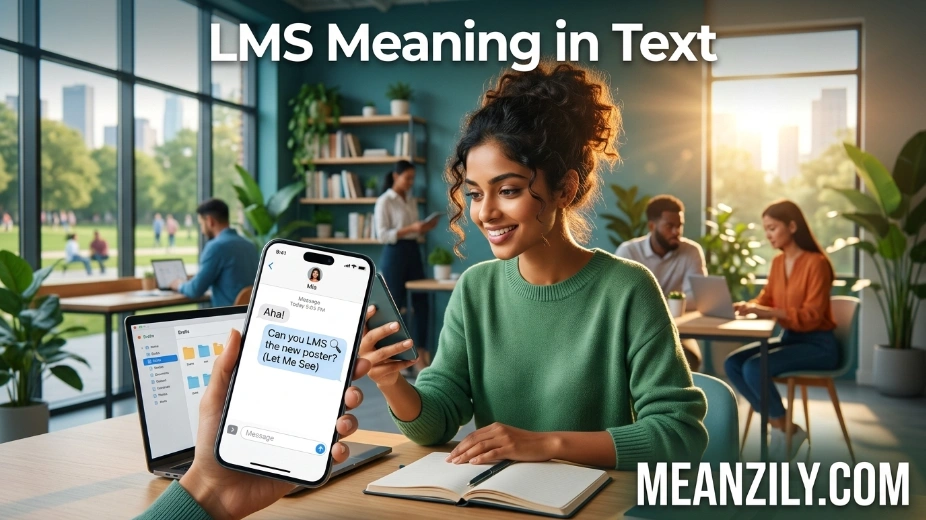
LMS most commonly stands for “Like My Status.”
It is an internet abbreviation used when someone wants others to like, react to, or engage with their social media post or status update.
In everyday conversations, LMS is usually not used as a complete message by itself. Instead, it often appears in posts such as:
- LMS if you’re bored.
- LMS for a truth.
- LMS and I’ll message you.
- LMS if you agree.
The abbreviation became popular because it saves time and quickly tells followers to interact with a post.
Is LMS Slang, an Acronym, or an Abbreviation?
LMS is considered an acronym and internet slang term.
Each letter represents a word:
- L = Like
- M = My
- S = Status
Because it is commonly used online and in casual conversations, it falls under the category of internet slang.
What Does LMS Mean in Everyday Chat?
In normal online conversations, LMS is often used to encourage engagement.
For example:
“Just posted a new picture. LMS if you like it!”
In this case, the person is simply asking friends or followers to like their post.
Where People Use LMS
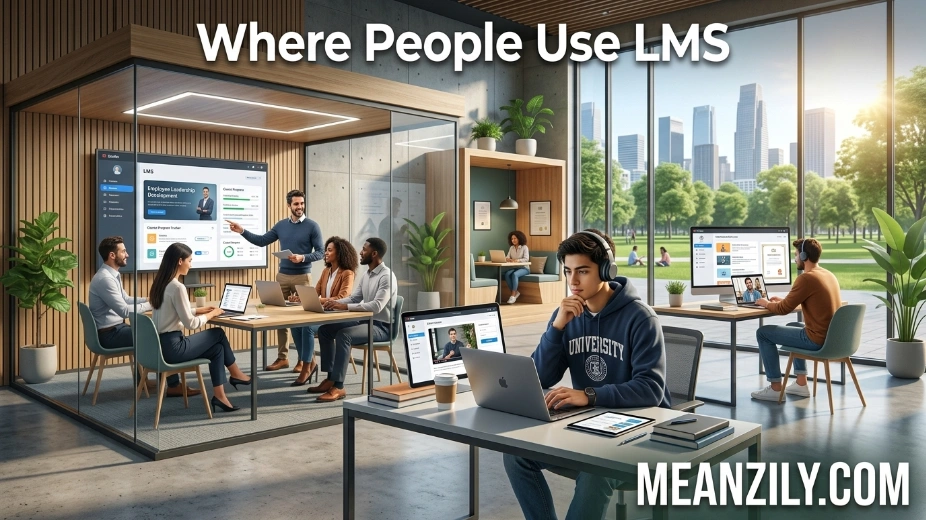
LMS appears on many social media platforms and messaging apps. Although its popularity has changed over time, people still use it online.
LMS on TikTok
On TikTok, users may write LMS in captions or comments to encourage engagement.
Examples:
- LMS if you’ve experienced this.
- LMS if you can relate.
- LMS and I’ll follow back.
The goal is usually to increase interaction on a video.
LMS on Snapchat
Snapchat is one of the places where LMS became extremely popular.
Users often post stories saying:
- LMS for a streak.
- LMS for a snap.
- LMS for a truth.
Friends who like the story may receive a message or response from the poster.
LMS on Instagram
Instagram users sometimes include LMS in story stickers, captions, or engagement posts.
Examples include:
- LMS if you agree.
- LMS and ask me anything.
- LMS for a shoutout.
It helps increase likes and interactions.
LMS on WhatsApp
Although less common, LMS can appear in WhatsApp status updates.
Someone may post:
“LMS if you saw this.”
This is simply a request for engagement from contacts.
LMS in SMS Text Messages
In standard text messages, LMS is less common than on social media.
However, some people still use it when discussing social posts.
Example:
“I just uploaded a picture. LMS when you see it.”
Here, the sender is asking the recipient to like their status or post.
Real Chat Examples
Below are 10 realistic conversation examples showing how LMS is used.
Example 1
A: I just posted a new photo.
B: Nice!
A: LMS when you get a chance.
Example 2
A: Check my story.
B: What did you post?
A: Just LMS and you’ll see.
Example 3
A: LMS for a truth.
B: Okay, I liked it.
A: Great, here’s your truth.
Example 4
A: LMS if you’re bored tonight.
B: I liked it.
A: Same here. Nothing to do.
Example 5
A: Did you see my status?
B: Not yet.
A: LMS when you do.
Example 6
A: LMS and I’ll rate your profile.
B: Done.
A: Nice profile, 9/10.
Example 7
A: LMS for a question.
B: Okay.
A: What’s your dream job?
Example 8
A: LMS if you’re coming to the event.
B: Just liked it.
A: Awesome, see you there.
Example 9
A: LMS if you agree with this.
B: I do.
A: Glad we’re on the same page.
Example 10
A: New picture uploaded.
B: Really?
A: Yep, LMS and tell me what you think.
How to Reply When Someone Says “LMS”
The best response depends on the situation and your relationship with the person.
Funny Replies
- Only if I get paid first.
- That’s going to cost you a cookie.
- I’ll think about it.
- What do I get in return?
Casual Replies
- Sure.
- Done.
- Just liked it.
- No problem.
Friendly Replies
- Of course!
- I already did.
- Happy to help.
- Looks great, liked it.
Neutral Replies
- Okay.
- I saw it.
- Noted.
- Done already.
Is LMS Rude or Offensive?
No, LMS is generally not rude or offensive.
It is considered a harmless social media abbreviation used to request engagement.
Most people see it as a casual internet expression rather than an insult or inappropriate phrase.
Is It Safe to Use?
Yes, LMS is usually safe to use in personal conversations, social media posts, and online communities.
It does not contain offensive language or negative meaning.
Is It Appropriate at School or Work?
In casual communication, it is usually acceptable.
However, in professional emails, business messages, or formal workplace communication, using internet slang such as LMS may seem unprofessional.
In formal situations, it is better to write complete sentences instead.
Who Uses This Term?
LMS is most popular among younger internet users and social media communities.
Age Groups
The term is commonly used by:
- Teenagers
- High school students
- College students
- Young adults
Older users may understand it but generally use it less often.
Gen Z Usage
Gen Z users are among the most frequent users of LMS.
They often use abbreviations and internet slang to communicate quickly across platforms.
Common Platforms
The term appears most often on:
- TikTok
- Snapchat
How Often Does It Appear Online?
LMS was extremely popular during the rise of social media engagement posts.
While newer slang terms appear regularly, LMS still shows up in stories, captions, comments, and group chats.
Origin of the Term
The exact origin of LMS is difficult to pinpoint.
Like many internet abbreviations, it likely developed naturally as social media users looked for shorter ways to communicate.
Social Media Influence
As platforms encouraged likes, reactions, and engagement, users began creating shortcuts to request interactions.
Instead of typing “Like my status,” people shortened it to LMS.
Internet Culture
Internet culture heavily influenced the spread of LMS.
Once a few users adopted it, others copied the abbreviation, helping it spread across different platforms and communities.
Is the Origin Clear?
Not entirely.
Unlike some slang terms that have a documented creator or starting point, LMS appears to have emerged gradually through online communication.
Comparison Table
| Term | Meaning | Type | Usage | Popularity |
|---|---|---|---|---|
| LMS | Like My Status | Acronym | Requesting likes or engagement | Moderate |
| IDK | I Don’t Know | Acronym | Expressing uncertainty | Very High |
| IDC | I Don’t Care | Acronym | Showing indifference | High |
| IMO | In My Opinion | Acronym | Sharing personal views | High |
| BRB | Be Right Back | Acronym | Temporarily leaving a conversation | Very High |
This table shows that LMS is more engagement-focused, while the other abbreviations are commonly used during regular conversations.
Real-World Usage Example
Imagine a student uploads a picture from a school event to Instagram.
They want more friends to interact with the post, so they share a story that says:
“LMS if you were there today!”
Friends who see the story tap the like button or react to it. This helps increase engagement and lets the student know who viewed the post.
In this situation, LMS acts as a quick request for interaction and participation.
Why LMS Became Popular on Social Media
The rise of social media played a huge role in the popularity of LMS. As platforms began focusing on likes, reactions, and engagement, users looked for quick ways to encourage interaction.
Instead of writing long requests such as “Please like my status,” people started using shorter abbreviations. LMS was simple, easy to remember, and understood by many social media users.
The term became especially common among teenagers who preferred fast communication. Since social media trends spread quickly, LMS soon appeared in stories, captions, comments, and group chats across multiple platforms.
Even today, some users continue to use LMS because it is a convenient shortcut that saves time while still getting the message across.
Different Meanings of LMS Outside Social Media
Although “Like My Status” is the most common meaning in texting and social media, LMS can represent other phrases depending on the context.
For example, in education, LMS often stands for “Learning Management System.” Schools, colleges, and online training programs use this term when discussing digital learning platforms.
In business environments, LMS may also refer to software used for employee training and development.
This is why context matters. If someone uses LMS in a casual chat or social media post, it usually means “Like My Status.” However, if the discussion involves education or workplace technology, the meaning may be completely different.
Signs That LMS Means “Like My Status”
Sometimes internet abbreviations can be confusing because they have multiple definitions. Fortunately, there are clues that help identify the intended meaning.
If LMS appears alongside words like “story,” “post,” “picture,” or “profile,” it almost certainly means “Like My Status.”
For example:
- LMS for a question.
- LMS if you’re online.
- LMS and I’ll message you.
These examples clearly relate to social interaction rather than education or business software.
Paying attention to surrounding words can help you understand the meaning instantly.
Common Mistakes People Make When Using LMS
Many internet users misunderstand LMS when they first encounter it.
One common mistake is assuming everyone knows what the abbreviation means. While younger users may recognize it immediately, some people may not understand it at all.
Another mistake is using LMS in professional communication. Since it is informal internet slang, it may look out of place in workplace messages or academic writing.
Some users also confuse LMS with unrelated abbreviations because the same letters can represent different phrases in different industries.
When communicating with a wider audience, spelling out the full phrase can sometimes prevent confusion.
Should You Use LMS in Online Conversations?
Whether you should use LMS depends on who you are talking to.
If you are chatting with friends, classmates, or social media followers, using LMS is generally acceptable. Most people in these groups understand internet abbreviations and casual slang.
However, if your audience includes older users or people unfamiliar with online slang, using the full phrase may be clearer.
A good rule is to match the communication style of the platform. Casual social apps welcome abbreviations, while professional spaces usually do not.
How Internet Slang Changes Over Time
LMS is a good example of how internet language evolves.
Online communities constantly create new abbreviations to make communication faster. Some become extremely popular for years, while others disappear quickly.
Terms that were once common can eventually be replaced by newer expressions. This cycle happens because social media trends change rapidly and users often look for fresh ways to communicate.
Even when a slang term becomes less popular, many people continue using it because it remains familiar and easy to understand.
The internet is always creating new vocabulary, and LMS is part of that ongoing evolution.
Benefits of Understanding Texting Abbreviations
Learning common abbreviations can make online communication much easier.
When you understand terms like LMS, you spend less time guessing what people mean. Conversations become clearer and social media posts make more sense.
Understanding internet language can also help you participate more confidently in online communities.
For parents, teachers, and business owners, knowing common abbreviations can provide better insight into how younger generations communicate online.
The more familiar you become with internet slang, the easier it is to navigate today’s digital world.
How LMS Compares to Modern Social Media Trends
Social media trends today often focus on interaction and community engagement. LMS fits into this pattern because it encourages users to participate rather than simply view content.
Modern creators use polls, question stickers, reactions, and comments to increase engagement. LMS served a similar purpose by inviting users to take action.
While newer engagement tools are now built directly into many apps, abbreviations like LMS still represent an earlier era of social media culture where users relied heavily on text-based interaction.
Understanding LMS provides insight into how social networking habits have evolved over the years.
What LMS Reveals About Online Communication
The popularity of LMS highlights an important feature of internet communication: efficiency.
People naturally look for ways to communicate ideas using fewer words. Abbreviations allow users to send messages faster while maintaining the same meaning.
LMS demonstrates how online communities create their own language systems. These systems help regular users communicate quickly, but they can sometimes confuse newcomers.
As internet culture continues to develop, new abbreviations will emerge while older ones remain part of digital history.
Understanding terms like LMS helps bridge the gap between different generations of internet users and improves overall online communication.
Why People Prefer Short Forms Like LMS
The internet moves fast, and most users want to communicate as quickly as possible. This is one of the main reasons abbreviations like LMS became popular.
Typing three letters takes much less time than writing an entire phrase. When people are chatting with friends, posting stories, or responding to comments, speed often matters.
Short forms also help keep messages concise. Instead of filling a post with long instructions, users can use a familiar abbreviation that many followers already understand.
This habit has become a normal part of digital communication, especially among younger users who spend a lot of time online.
Situations Where LMS Might Cause Confusion
While LMS is easy to understand for many social media users, it can occasionally create misunderstandings.
Someone who works in education may immediately think of learning software rather than a social media phrase. Likewise, people who rarely use social networks may not recognize the abbreviation at all.
Confusion is more likely when the message contains little context. For example, receiving a text that simply says “LMS” without any additional information may leave some people unsure about the sender’s intention.
When clarity is important, writing the complete phrase can be the better option.
How New Internet Users Learn Terms Like LMS
Most people do not learn internet slang from dictionaries. Instead, they discover it naturally while browsing social media, watching videos, or chatting with friends.
A user may notice an unfamiliar abbreviation appearing repeatedly in comments or captions. After seeing it several times, they become curious and search for its meaning.
This process has helped countless internet expressions spread across different platforms and communities.
Many common abbreviations started this way, growing from small online groups into terms recognized by millions of users.
The Role of Engagement in Social Media Culture
Social media platforms reward interaction. Likes, comments, shares, and reactions often help content reach a larger audience.
Because engagement is valuable, users frequently look for ways to encourage participation. LMS became one method of inviting followers to interact with a post.
The abbreviation reflects a broader trend in online culture where users actively seek feedback and responses from their audience.
This desire for interaction is one reason engagement-focused phrases continue to appear across social networks.
How LMS Is Viewed by Different Generations
Different age groups often have different levels of familiarity with internet slang.
Teenagers and young adults typically recognize abbreviations more quickly because they encounter them regularly online. Older generations may understand some terms but not others.
This difference does not mean one group communicates better than another. It simply reflects changing communication habits over time.
As digital language evolves, each generation adopts new expressions while maintaining its own preferred communication style.
Can LMS Help Increase Social Media Interaction?
Some users believe that asking for engagement directly can encourage more people to participate.
When followers see a request such as LMS, they may be more likely to react because the action requires very little effort. A simple tap or click is often enough.
However, meaningful content remains the most important factor. Interesting photos, entertaining videos, and valuable posts usually attract interaction regardless of whether abbreviations are used.
LMS can encourage engagement, but it works best when combined with content people genuinely enjoy.
The Difference Between Internet Slang and Standard English
Internet slang serves a different purpose than traditional English writing.
Standard English focuses on clarity, grammar, and formal communication. Internet slang prioritizes speed, convenience, and casual interaction.
Neither approach is inherently better. Each works best in specific situations.
For example, an abbreviation may fit perfectly in a group chat but seem inappropriate in a job application or business proposal.
Understanding the difference helps users choose the right language for the right audience.
How Social Media Trends Influence Everyday Language
Many expressions that begin online eventually become part of everyday conversations.
People often carry internet vocabulary into real-world discussions with friends, classmates, and coworkers. This process allows digital culture to influence spoken language.
LMS is an example of how online habits can shape communication patterns. Even users who rarely post statuses may recognize the abbreviation because of its presence across multiple platforms.
The connection between social media and everyday language continues to grow as digital communication becomes more common.
What Makes an Internet Abbreviation Successful?
Thousands of internet abbreviations have been created over the years, but only a small percentage become widely recognized.
Successful abbreviations are usually easy to remember, simple to type, and useful in everyday conversations. They solve a communication problem by saving time or reducing effort.
LMS gained popularity because it met these requirements. The phrase was short, practical, and connected to a common social media activity.
The same factors often determine whether new internet expressions become long-term trends or disappear quickly.
Why Understanding Online Language Matters
Digital communication is now a major part of daily life. People use messaging apps, social networks, and online communities for work, education, entertainment, and personal relationships.
Understanding common internet expressions helps users communicate more effectively and avoid misunderstandings.
It can also make online experiences more enjoyable because conversations become easier to follow.
Even if you do not personally use abbreviations like LMS, knowing their meaning allows you to understand modern online culture and participate more confidently in digital spaces.
Why Some Slang Terms Last for Years
Internet slang often comes and goes quickly, but some terms manage to survive much longer than others. The reason is usually simple: people continue finding them useful.
LMS remained recognizable because it serves a clear purpose. It allows users to ask for interaction in a quick and convenient way.
Many slang expressions disappear because they are tied to a specific trend or viral moment. Once that trend fades, the phrase loses relevance. LMS, however, is connected to a basic social media activity that still exists today.
As long as people continue sharing posts and seeking engagement, there will likely be users who understand and occasionally use this abbreviation.
How First-Time Users React When They See LMS
Encountering an unfamiliar abbreviation can be confusing. Many people initially assume LMS is a typo or a code they are expected to know.
A first-time user might pause and try to understand the message based on surrounding words. If that doesn’t work, they often search online for an explanation.
This experience is common with internet slang because digital communication evolves faster than traditional language. New users constantly encounter unfamiliar terms while browsing social media.
Learning what LMS means can remove that confusion and make online conversations easier to follow.
The Psychology Behind Asking for Likes
People often wonder why users request likes or reactions in the first place. The answer is connected to human behavior and social interaction.
Receiving engagement can make people feel noticed and connected. A like, reaction, or comment serves as a small form of feedback that shows others have seen and acknowledged a post.
For some users, asking for interaction through phrases like LMS is simply a way to encourage participation among friends.
While not everyone cares about engagement numbers, many people enjoy knowing that others are paying attention to what they share online.
How Digital Communication Keeps Evolving
The language people use online today is very different from the language used in the early days of the internet.
As technology changes, communication styles change as well. New platforms introduce new features, and users create vocabulary that fits those features.
Abbreviations, emojis, GIFs, voice notes, and short-form videos have all influenced the way people communicate.
LMS represents one small piece of this larger evolution. It reflects how users adapt language to fit the fast-paced nature of online interaction.
What Parents Should Know About LMS
Parents occasionally come across abbreviations in their children’s messages and wonder whether they should be concerned.
In the case of LMS, there is generally no reason for alarm. The term is usually connected to social media engagement and does not typically carry harmful or inappropriate meanings.
Understanding common online expressions can help parents stay informed about digital communication without jumping to incorrect conclusions.
The best approach is often curiosity rather than concern. Learning these terms can make conversations about online activity more productive and informed.
How LMS Fits Into Internet Trends
Every generation of internet users creates its own trends and communication habits. Some trends involve challenges, while others revolve around language.
LMS became part of a broader trend of encouraging interaction between users. During periods when social networking sites focused heavily on likes and reactions, abbreviations related to engagement became more visible.
This connection between language and trends shows how online communities shape the way people communicate.
Many internet expressions gain popularity because they support activities that users already enjoy doing online.
Why Context Is More Important Than the Word Itself
A single abbreviation can mean different things depending on where it appears. This is why context is often more valuable than the actual letters being used.
For example, the same abbreviation may have one meaning on social media and a completely different meaning in a classroom or workplace discussion.
When trying to understand LMS, looking at the surrounding conversation usually provides the answer.
The people involved, the platform being used, and the topic being discussed all help determine the intended meaning.
How Social Validation Influences Online Behavior
Social validation refers to the feeling people get when others acknowledge their actions, opinions, or content.
On social media, this validation often appears through likes, shares, comments, and reactions. These small interactions can encourage users to stay active and continue posting.
Requests for engagement, including LMS, are partly connected to this desire for feedback.
Although not everyone seeks validation online, social interaction remains one of the main reasons people participate in digital communities.
The Connection Between Slang and Online Communities
Many slang terms become popular because they create a sense of belonging within a group.
When people understand the same abbreviations and expressions, communication becomes faster and more familiar. Shared language can strengthen connections between community members.
LMS gained recognition partly because large numbers of social media users adopted it and understood its purpose.
This pattern is common across the internet, where communities often develop unique ways of communicating with one another.
Will LMS Still Be Used in the Future?
Predicting the future of internet slang is difficult because online culture changes rapidly.
Some expressions disappear completely, while others remain recognizable for many years. LMS may not be as widely discussed as newer slang terms, but it still appears across various social platforms.
Its future will likely depend on whether users continue finding it useful and relevant.
Even if its popularity decreases, LMS will remain part of internet language history and may continue being recognized by people who have spent time on social media.
Lessons LMS Teaches About Internet Culture
A simple abbreviation like LMS can reveal a surprising amount about online behavior.
It shows how users value convenience, interaction, and community participation. It also highlights how quickly new forms of communication can spread across the internet.
Perhaps the biggest lesson is that language constantly adapts to meet people’s needs. As technology changes, new words and abbreviations will continue to emerge.
Understanding terms like LMS offers a small but interesting glimpse into the way digital culture develops and evolves over time.
Frequently Asked Questions
What does LMS mean in text messages?
In most text conversations, LMS means “Like My Status.” It is used when someone wants others to interact with a social media post or status update.
What does LMS mean on TikTok?
On TikTok, LMS usually means “Like My Status” or a request for engagement on a video, comment, or profile.
Is LMS slang?
Yes. LMS is considered internet slang and an online acronym commonly used on social media platforms.
Is LMS rude or offensive?
No. LMS is generally harmless and is not considered offensive or rude.
How should you reply to LMS?
You can reply with simple responses such as:
- Done.
- Sure.
- I already liked it.
- No problem.
Your reply depends on the context and your relationship with the person.
Conclusion
LMS most commonly means “Like My Status.” It is a popular internet abbreviation used on social media platforms such as TikTok, Snapchat, Instagram, WhatsApp, and other messaging apps. People use it when they want friends or followers to interact with their posts, stories, or updates.
The term is generally friendly, harmless, and easy to understand once you know its meaning. While it works well in casual online conversations, it is usually best to avoid internet slang like LMS in professional or formal settings.
Understanding terms like LMS can make social media communication much easier and help you stay up to date with modern internet language.
Discover More Post
Ole Meaning Truth Behind This Powerful Expression 2026
Vibe Meaning Explained Feelings Energy and Modern Usage …
Cascade Meaning Secrets Behind Flowing Change 2026

Cove is the founder and lead SEO strategist behind Meanzily, with over 5 years of hands-on experience in search engine optimization and content marketing. He specializes in creating high-quality, user-focused content that aligns with Google’s latest SEO and E-E-A-T guidelines. Cove has helped multiple websites grow organically through data-driven strategies, keyword research, and on-page optimization. His mission is to deliver valuable, easy-to-understand content that ranks well and truly helps readers.