If you’ve ever seen someone called an “OG” in a text, TikTok comment, or Snapchat chat and wondered what it actually means, you’re not alone. In texting, OG stands for “Original” or “Original Gangster,” but today it’s mostly used to describe someone who is real, respected, and has been around since the beginning.
You’ll come across this slang everywhere online—whether it’s Instagram captions, gaming chats, or viral TikTok videos. People use it when they want to give credit or show respect to someone’s experience, loyalty, or originality.
In simple terms, calling someone an OG is a compliment. It can refer to a person, a moment, or even something classic that started it all and still holds value today.
That’s why so many people search for it—because it shows up in everyday conversations, and the meaning isn’t always obvious at first glance.
OG Meaning in Text
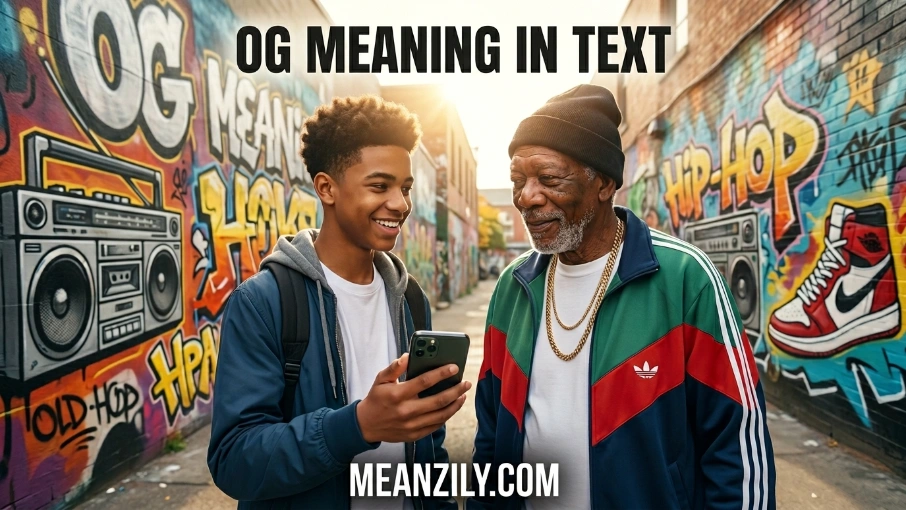
In texting, OG is a slang abbreviation that comes from “Original Gangster,” but today it is mostly used to mean “original,” “authentic,” or “a pioneer.”
It is not used in a criminal sense in modern internet language. Instead, it is a positive term.
Simple definition:
OG = someone or something that is:
- original
- respected
- experienced
- authentic or first of its kind
In everyday chat:
When someone says “he’s an OG,” they usually mean:
- He has been there from the beginning
- He is highly respected
- He knows a lot because of experience
For example:
- A long-time gamer in a community might be called an OG
- A friend who has been with you since childhood can be called an OG
- A classic song or meme can also be labeled OG
So, in modern texting culture, OG is basically a compliment.
Where People Use OG
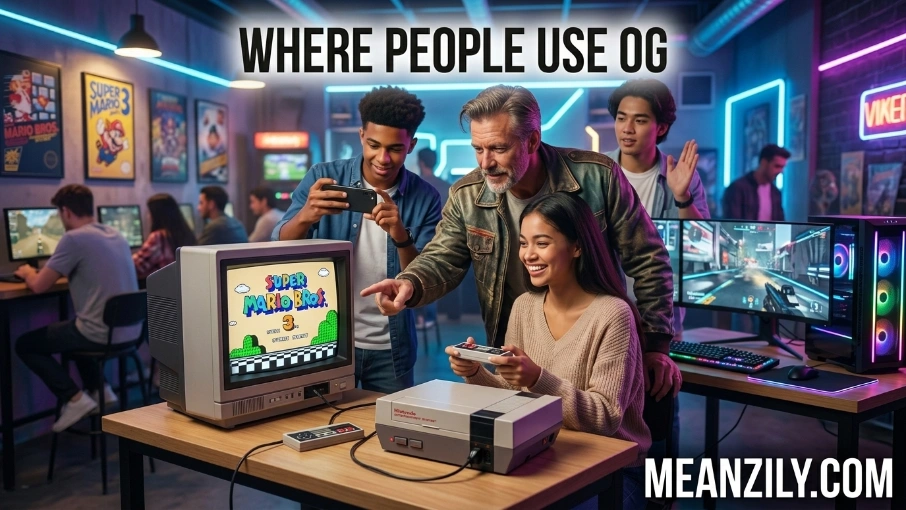
The term OG is widely used across social media platforms and messaging apps. Let’s look at where you will commonly see it.
TikTok
On TikTok, users often call creators or trends “OG” when they are original or started something first.
Example:
- “This creator is OG TikTok energy”
- “OG dance moves still hit different”
Snapchat
On Snapchat, friends use OG in chats to show respect or familiarity.
Example:
- “You’re an OG for remembering that 😂”
Instagram captions and comments often include OG to describe stylish, iconic, or early supporters.
Example:
- “OG vibes only”
- “Real OG followers since day one”
In WhatsApp chats, OG is used casually among friends.
Example:
- “Bro you’re an OG for helping me yesterday”
SMS
Even in simple SMS conversations, OG is used to show appreciation.
Example:
- “Thanks man, you’re an OG”
Across all platforms, the meaning stays the same: respect, originality, or long-term loyalty.
Real Chat Examples
Here are 10 realistic texting conversations showing how OG is used in real life.
Example 1
A: Bro you still remember my birthday
B: Of course, I’m an OG friend 😎
2
A: Who taught you this trick?
B: My cousin, he’s an OG at gaming
3
A: This song is fire
B: It’s OG, been around for years
4
A: You helped me again
B: Always here, OG style
5
A: You still using that old phone?
B: Yeah, OG device 😂
6
A: That meme is funny
B: OG meme from 2016
7
A: You know everything about football
B: Been watching since day one, OG fan
8
A: Thanks for explaining
B: No problem, OG support
9
A: You finished the project already?
B: OG work ethic 😎
10
A: You’re still friends with him?
B: Yeah, he’s an OG from school days
These examples show how flexible and casual the word is in conversation.
How to Reply When Someone Says “OG”
If someone calls you OG or uses it in chat, you can reply in different tones depending on the situation.
Funny replies
- “OG since birth 😂”
- “Certified OG status unlocked”
- “I came pre-installed as OG”
Casual replies
- “Haha thanks bro”
- “Appreciate it”
- “You too man”
Friendly replies
- “That means a lot, thank you”
- “Glad we’ve known each other long”
- “Always here for you”
Neutral replies
- “Got it”
- “Okay 👍”
- “Understood”
The tone depends on your relationship with the person. Usually, OG is a compliment, so a friendly response works best.
Is OG Rude or Offensive?
No, OG is not rude or offensive in modern texting.
Even though it originally came from “Original Gangster,” its meaning has changed over time. Today it is used in a positive and respectful way.
Safety of the term:
- ✔ Safe for casual conversations
- ✔ Safe for social media
- ✔ Safe for friends and online communities
School or work usage:
- In school: Yes, it is okay in informal talk with friends
- In work: Better to avoid in formal emails, but fine in casual workplace chats
So overall, OG is a friendly slang term and not something offensive.
Who Uses This Term?
OG is widely used across internet users, especially younger generations.
Age groups:
- Mostly teenagers and young adults
- Common among 13–30 age group
- Also used by older users in gaming or online communities
Gen Z usage:
Gen Z uses OG frequently in memes, captions, and chats. It is part of everyday slang vocabulary.
Platforms:
- TikTok
- Snapchat
- Discord
- Gaming chats
How often it appears online:
OG is very common in:
- comments sections
- meme captions
- gaming conversations
- influencer content
It is one of the most recognizable slang terms on the internet.
Origin of the Term
The term OG originally comes from “Original Gangster,” which was used in American street and hip-hop culture in the 1970s and 1980s.
Over time, the meaning evolved.
Internet evolution:
- Hip-hop culture first popularized it
- Music and rap lyrics spread it globally
- Internet users simplified it to mean “original” or “authentic”
- Social media made it mainstream slang
Today’s meaning:
Now OG has nothing to do with crime or gangs in everyday texting. It simply means:
- original
- respected
- legendary
- early supporter
The origin is clear, but the modern meaning is very different from the original one.
Comparison Table
Here’s a simple comparison of OG with other common texting abbreviations.
| Term | Meaning | Type | Usage | Popularity |
|---|---|---|---|---|
| OG | Original / respected person | Slang | Praise or respect | Very High |
| IDK | I don’t know | Abbreviation | Casual uncertainty | Very High |
| IDC | I don’t care | Abbreviation | Indifference | High |
| IMO | In my opinion | Abbreviation | Personal views | High |
| BRB | Be right back | Abbreviation | Temporary pause | Medium |
This table shows that OG is more of a slang compliment, while others are functional chat abbreviations.
Real-World Usage Example
Imagine you are in a gaming group online.
A new player joins and asks for help. One experienced player guides them step-by-step and even shares tips most people don’t know.
Later, someone in the group says:
- “Bro is an OG, he’s been helping everyone since day one.”
Here, OG is used to show respect for experience and helpfulness.
It’s not just about age—it’s about contribution, loyalty, and originality.
OG vs Modern Internet Slang Culture
The term OG is just one part of a much bigger internet slang culture that keeps evolving every year. While OG focuses on originality and respect, other slang terms often describe emotions, reactions, or behaviors.
What makes OG different is its positive and respectful tone. Many slang words online are used for jokes, reactions, or sarcasm, but OG usually stays serious in meaning even in casual chats.
For example:
- “No cap” means “I’m serious”
- “Bet” means “okay” or “deal”
- But “OG” means “you are respected or original”
This shows that OG is less about trends and more about recognition of value or experience. It gives weight to a person’s presence or history in a community.
Why OG Became Popular on the Internet
OG became widely popular because internet users love short, expressive words that carry strong meaning. Instead of typing long sentences like “you have been here since the beginning and I respect you,” people simply say “you’re OG.”
Another reason is its use in gaming culture and online communities. Gamers started calling long-time players OG to show respect for skill and loyalty. From there, it spread into social media.
Memes also played a big role. Once influencers started using OG in captions and comments, it quickly became mainstream slang.
Today, it is part of everyday online communication, especially among younger users who prefer fast and expressive language.
Psychological Impact of Being Called “OG”
When someone calls you OG, it often creates a positive emotional reaction. That’s because the term is linked with respect, loyalty, and recognition.
People enjoy being called OG because it:
- Makes them feel valued
- Acknowledges their experience
- Highlights their importance in a group
In online communities, being called OG can also strengthen friendships. It creates a sense of belonging, especially in long-term groups like gaming clans, study groups, or fandoms.
Even though it is just slang, it can still carry real emotional weight in conversations.
Misunderstandings Around the Term OG
Sometimes people who are new to internet slang misunderstand OG. They may think it always refers to gangs or something negative because of its original full form “Original Gangster.”
However, in modern usage, this meaning is mostly outdated in casual communication. Online, OG is almost always used in a positive and respectful context.
Another confusion is thinking OG only applies to people. In reality, it can also describe:
- Songs
- Memes
- Games
- Fashion styles
- Internet trends
For example, an old viral meme can be called an OG meme because it started early and influenced later trends.
How Brands and Influencers Use OG
Brands and influencers also use OG to connect with audiences in a relatable way. When a brand calls a product “OG,” it usually means it is the original version or classic edition.
For example:
- A sneaker brand may call an early design “OG release”
- A food brand may promote a “return of the OG flavor”
Influencers use OG in captions to show authenticity, like:
- “OG vibes only today”
- “Back with the OG setup”
This helps create nostalgia and builds emotional connection with followers.
How OG Helps Build Online Identity
On social media, identity matters a lot. People want to show who they are, how long they’ve been around, or what they represent. OG helps in building that identity.
When someone is labeled OG, it suggests:
- They were early in a community
- They have experience
- They are trustworthy or respected
In online groups, this label can increase a person’s influence. Others may look up to them or follow their opinions more seriously.
So, OG is not just a word — it can also act like a social status marker in digital spaces.
Evolution of OG in Digital Communication
Like many slang terms, OG has evolved over time. Its journey from street language to internet slang shows how language changes with culture.
Originally tied to urban culture, it slowly moved into music, especially hip-hop. Later, gaming and internet forums picked it up.
Finally, social media platforms like TikTok and Instagram made it global.
Today, OG is no longer tied to its original context. It has become a universal internet expression meaning:
- original user
- long-time supporter
- respected person or thing
This evolution shows how digital communication constantly reshapes language in simple and creative ways.
Situations Where OG Should Not Be Used
Even though OG is widely accepted, there are situations where it may not be appropriate.
For example:
- Formal emails or business communication
- Academic essays or professional reports
- Serious legal or official documents
Using slang like OG in these contexts can make your message seem unprofessional.
It’s best to reserve OG for:
- casual chats
- social media posts
- friendly conversations
- online communities
Understanding when NOT to use slang is just as important as knowing what it means.
How OG Connects Online Communities
One interesting thing about OG is how it helps connect people in digital spaces. When someone is called OG, it often creates a bond between users.
For example, in a gaming community:
- New players respect OG players
- OG members guide beginners
- Shared experiences build trust
In fandoms:
- OG fans are those who supported early
- They are often seen as core members of the community
This shared recognition strengthens group identity and keeps communities active over time.
OG in Gaming Communities and Esports
In gaming culture, OG is often used to describe players who have been part of a game since its early days. These players are respected because they understand the game deeply and have seen how it evolved over time.
For example, someone who played a game during its beta version or early launch may be called an OG player. In esports teams, OG status can also refer to veterans who helped build the competitive scene.
New players often look up to OG gamers because they are seen as experienced, skilled, and knowledgeable about strategies that newer players may not know.
Capitalization Differences: OG vs og vs O.G.
The way OG is written can slightly change depending on style, but the meaning usually stays the same.
- OG (uppercase): Most common and standard form
- og (lowercase): Casual texting, informal tone
- O.G. (with dots): Older or stylistic writing, less common online
Even though the formatting changes, people still understand it as “original” or “respected person.” However, uppercase OG is preferred on social media because it looks clearer and more impactful.
OG in Social Media Captions and Hashtags
On platforms like Instagram and TikTok, OG is often used in captions to make posts sound more authentic or nostalgic.
People use it in captions like:
- “OG memories unlocked”
- “OG vibes only”
- “Back to OG days”
It is also used in hashtags such as #OG or #OGStatus to boost visibility and connect with similar content.
Creators use it because it adds emotional value and makes posts feel more relatable, especially when referring to old memories or classic trends.
Difference Between OG and Similar Terms Like “Veteran”
OG is sometimes confused with words like “veteran,” but they are not exactly the same.
- OG: Focuses on originality and being there from the beginning
- Veteran: Focuses on experience and long-term involvement
For example:
- A veteran gamer may be skilled but not necessarily part of the original group
- An OG gamer is someone who was there when the community first started
Both are respectful terms, but OG has a stronger emotional connection to “first generation” identity.
How Context Changes the Meaning of OG
The meaning of OG can slightly change depending on the conversation.
For example:
- In gaming: it means experienced player
- In friendships: it means loyal or long-time friend
- In music: it may mean classic or original style
- In memes: it refers to early or original versions
This shows that OG is a flexible slang term. The context of the sentence helps the reader understand its exact meaning.
Without context, OG always leans toward “original and respected.”
OG in Online Friend Groups and Loyalty
In online friendships, OG is often used to show loyalty and long-term connection. People use it to describe friends who have been around for a long time and stayed supportive.
For example, if two people have been chatting or gaming together for years, one might call the other an OG friend.
It is not just about time, but also about trust and consistency. Being called OG in a friend group usually means you are seen as a “core member” of that circle.
Mistakes People Make When Using OG
Many beginners use OG incorrectly when they first learn internet slang.
Common mistakes include:
- Using it in formal writing
- Calling anyone OG without context
- Thinking it only means “old”
- Using it sarcastically in situations where it doesn’t fit
For example, calling someone OG just because they are older is incorrect. OG is more about originality and respect, not age alone.
Using it properly helps avoid confusion and makes your messages sound more natural.
OG and Tone in Digital Conversations
The meaning of OG can change depending on tone, emojis, and punctuation in a message.
For example:
- “You’re OG 😎” → friendly and positive
- “You’re OG.” → neutral or serious
- “OG…” → can sound reflective or emotional
This shows that OG is not just about the word itself, but also how it is delivered in conversation.
In texting culture, tone plays a big role in how slang is understood.
How OG Reflects Internet Nostalgia
OG is often linked with nostalgia — the feeling of missing or appreciating the past.
People use OG when talking about:
- old versions of apps or games
- early internet memes
- classic music or videos
- earlier social media days
For example, someone might say “OG YouTube was different” to express how the platform used to feel more simple or authentic.
In this way, OG becomes a way to celebrate “the original internet era.”
Cross-Cultural Use of OG Around the World
Even though OG started in English slang, it is now understood globally. People in many countries use it in chats even if English is not their first language.
In different regions:
- In South Asia, it is often used in gaming and WhatsApp chats
- In Europe, it appears in social media comments
- In the US, it is part of everyday slang vocabulary
- In global fandoms, it is used to describe original supporters
This shows how internet slang can cross language barriers easily.
Why OG Still Stays Relevant Today
Many internet slang words disappear quickly, but OG has stayed popular for years. One reason is its simplicity — it is short, easy to remember, and emotionally meaningful.
Another reason is its flexibility. It can describe people, trends, memories, and experiences.
Because of this, OG continues to appear in new platforms and new trends without losing its meaning. It has become a long-lasting part of online communication.
Frequently Asked Questions
What does OG mean in text messages?
OG means “original” or someone respected for being experienced, authentic, or early in something.
What does OG mean on TikTok?
On TikTok, OG refers to original creators, trends, or long-time users who started early or influenced others.
Is OG slang?
Yes, OG is internet slang that comes from “Original Gangster,” but now it simply means original or respected.
Is OG rude or offensive?
No, OG is not offensive. It is a positive term used to show respect.
How should you reply to OG?
You can reply casually like “thanks,” humorously like “OG status unlocked,” or simply acknowledge it politely.
Conclusion
OG is a popular internet slang term that means someone or something is original, experienced, or highly respected. It is widely used on TikTok, Snapchat, Instagram, and in everyday texting.
People use it to show appreciation, loyalty, or admiration, especially in casual conversations. It is not rude and is generally safe to use in informal settings.
However, it’s better to avoid it in formal writing or professional emails. In everyday chats, though, it is a simple and powerful way to show respect.
Discover More Post
What Does Assist Mean in Text? Slang Guide with Examples …
What Does TBT Meaning in Text? Real Meaning Examples …
What Does GTS Mean in Text Slang? Full Meaning Examples …

Roam is an SEO specialist and digital content strategist with over 7 years of hands-on experience in search engine optimization, keyword research, and content marketing. He helps brands grow their online visibility through data-driven SEO strategies and high-quality, user-focused content. As the founder of Meanzily, Roam is passionate about delivering actionable insights that rank on Google and provide real value to readers. His expertise spans on-page SEO, technical optimization, and authority-building content designed for long-term organic growth.