If someone recently sent you “wrd” in a text message, you might be wondering what it means. In most cases, WRD is internet slang for “word,” a casual expression people use to show agreement, understanding, confirmation, or sometimes surprise.
You’ll often come across WRD on social media platforms like TikTok, Snapchat, Instagram, WhatsApp, and in everyday text conversations. Because online slang evolves so quickly, many people search for terms like WRD when they see them for the first time.
The meaning of WRD can change slightly depending on the conversation, which is why understanding the context is important. A simple three-letter message can communicate several different reactions without requiring a long response.
In this guide, you’ll learn exactly what WRD means, how people use it online, when it’s appropriate to use, and how to respond when someone sends it to you.
WRD Meaning in Text
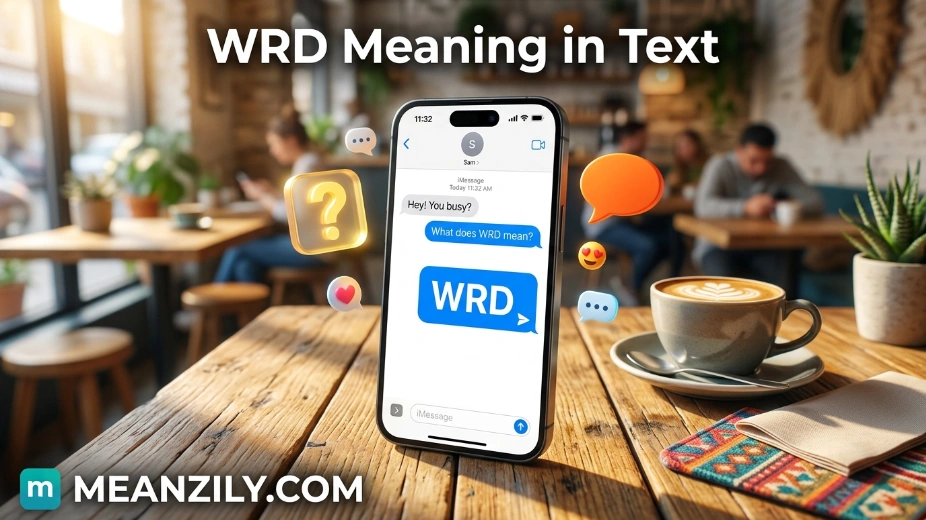
WRD is a shortened version of the word “word.”
In texting and internet slang, saying “word” is a way of expressing agreement, acknowledgment, or confirmation. Instead of typing the full word, many people simply write “wrd.”
Is WRD an Acronym or an Abbreviation?
WRD is generally considered an abbreviation rather than an acronym.
Unlike acronyms such as LOL (Laugh Out Loud) or BRB (Be Right Back), WRD is simply a shortened spelling of an existing word.
What Does WRD Mean in Everyday Chat?
The meaning often depends on the context.
People commonly use WRD to mean:
- I agree
- That’s true
- Really?
- I understand
- Okay
- Got it
For example:
A: That movie was amazing.
B: Wrd.
In this case, the person is agreeing with the statement.
Sometimes WRD can also express surprise.
A: I got free concert tickets.
B: Wrd?!
Here, it means something like “Really?” or “Seriously?”
Where People Use WRD

WRD appears across many social media platforms and messaging apps.
WRD on TikTok
On TikTok, users often write WRD in comments to show agreement with a video or another comment.
Example:
“WRD, this is exactly what happened to me.”
It is commonly used when viewers relate to content.
WRD on Snapchat
Snapchat users frequently use WRD in private chats.
It can act as a quick response when someone shares information.
Example:
“WRD, I didn’t know that.”
WRD on Instagram
Instagram users use WRD in comments, direct messages, and story replies.
It often shows support or agreement.
Example:
“WRD, that’s the best restaurant in town.”
WRD on WhatsApp
In WhatsApp conversations, WRD serves as a casual acknowledgment.
Instead of typing a long response, someone may simply send:
“wrd”
This tells the other person they understand or agree.
WRD in SMS Text Messages
Traditional texting still includes plenty of internet slang.
WRD is often used between friends because it is short, quick, and easy to type.
Example:
“I’ll meet you at 7.”
“WRD.”
Real Chat Examples
Below are realistic texting conversations showing how people use WRD.
Example 1
A: That new game is awesome.
B: WRD.
A: I’ve been playing it all weekend.
Example 2
A: School got canceled tomorrow.
B: WRD?!
A: Yep, because of the weather.
Example 3
A: We should order pizza tonight.
B: WRD.
A: I’ll place the order.
Example 4
A: She finally got the job.
B: WRD, that’s great.
A: She worked hard for it.
Example 5
A: This class is harder than I expected.
B: WRD.
A: The assignments are tough.
Example 6
A: I finished the project early.
B: WRD?
A: Yeah, surprisingly.
Example 7
A: The concert tickets sold out.
B: WRD, that was fast.
A: Only took a few minutes.
Example 8
A: We’re leaving at 5.
B: WRD.
A: Don’t be late.
Example 9
A: I just met my favorite creator.
B: WRD?!
A: I couldn’t believe it.
Example 10
A: This restaurant is underrated.
B: WRD.
A: More people should know about it.
How to Reply When Someone Says “WRD”
The best response depends on the tone of the conversation.
Funny Replies
- Finally, someone gets it.
- Took you long enough.
- Welcome to the truth.
- Glad we’re on the same page.
Casual Replies
- Yep.
- Exactly.
- That’s right.
- For sure.
Friendly Replies
- I knew you’d agree.
- Glad you understand.
- Thanks for listening.
- Happy we’re thinking alike.
Neutral Replies
- Understood.
- Good to know.
- Okay.
- Sounds good.
Is WRD Rude or Offensive?
In most situations, WRD is not rude or offensive.
It is generally considered harmless internet slang used among friends and online communities.
However, context matters.
If someone sends only “wrd” during a serious conversation, it may seem short or uninterested. Even then, it is usually not intended as rude.
Is It Safe to Use?
Yes. WRD is widely accepted in casual conversations.
Is It Appropriate at School?
Students often use WRD when chatting with classmates and friends.
Is It Appropriate at Work?
In professional environments, it is usually better to use complete words such as:
- I agree
- Understood
- Sounds good
Professional communication often benefits from clearer language.
Who Uses This Term?
WRD is especially popular among younger internet users.
Age Groups
The term is most commonly used by:
- Teenagers
- Young adults
- Social media users
Older users may understand it but use it less frequently.
Gen Z Usage
Gen Z uses WRD regularly because short-form communication is common on social media and messaging apps.
Common Platforms
You may see WRD on:
- TikTok
- Snapchat
- Discord
- Text messages
- Online forums
How Often Does It Appear Online?
WRD is not as common as terms like LOL or BRB, but it appears frequently in casual online conversations and comment sections.
Origin of the Term
The slang expression “word” has existed for decades.
Long before texting became popular, people used the word “word” to show agreement or acknowledgment in spoken conversations.
As internet communication evolved, users started shortening words to save time.
Eventually, “word” became “wrd” in text messages and online chats.
Internet Culture Influence
Social media, texting culture, and mobile communication played major roles in spreading WRD.
Shorter messages are faster to type, which makes abbreviations appealing.
Is the Origin Clear?
The exact moment WRD first appeared online is difficult to identify.
However, it is widely believed to have evolved naturally from the already popular slang term “word.”
Comparison Table
| Term | Meaning | Type | Usage | Popularity |
|---|---|---|---|---|
| WRD | Word / I agree / Really | Abbreviation | Agreement or acknowledgment | Medium |
| IDK | I Don’t Know | Acronym | Expressing uncertainty | Very High |
| IDC | I Don’t Care | Acronym | Showing indifference | High |
| IMO | In My Opinion | Acronym | Sharing opinions | High |
| BRB | Be Right Back | Acronym | Temporary absence | Very High |
Real-World Usage Example
Imagine two friends discussing weekend plans through text messages.
Alex: The new action movie is getting amazing reviews.
Jordan: WRD?
Alex: Yeah, everyone says it’s great.
Jordan: WRD, let’s watch it Saturday.
In this conversation, WRD is used twice. The first time it expresses surprise, and the second time it shows agreement.
Why Do People Type WRD Instead of “Word”?
The internet has made communication faster than ever. Many people prefer typing short versions of words because it saves time and effort. WRD is one example of this trend.
When texting friends, users often remove vowels from words to create shorter spellings. Just like “pls” stands for “please” and “msg” stands for “message,” WRD is simply a faster way to type “word.”
Another reason people use WRD is that it feels more casual and modern. Internet slang often develops naturally as users look for quicker ways to communicate. Over time, these shortened forms become part of everyday online conversations.
Today, WRD is recognized by many social media users and has become a familiar expression in digital communication.
Different Meanings WRD Can Have Depending on Context
One interesting thing about internet slang is that a single term can have multiple meanings.
In some conversations, WRD means agreement. In others, it can show surprise or curiosity. The surrounding messages usually determine the intended meaning.
For example, if someone says, “That test was impossible,” and another person replies with “WRD,” they are agreeing.
However, if someone says, “I won a free vacation,” and receives “WRD?” as a reply, the term is expressing surprise or disbelief.
Because context changes meaning, it is always helpful to read the entire conversation before interpreting slang terms.
WRD vs Writing the Full Word
Many people wonder whether there is a difference between typing “word” and “wrd.”
The meaning is generally the same. The main difference is style.
Typing “word” can appear slightly more deliberate, while “wrd” feels quicker and more informal. Younger users often choose the abbreviated version because it matches the fast-paced nature of online conversations.
In most situations, either version will be understood. The choice usually comes down to personal preference and texting habits.
Can WRD Be Used in Group Chats?
Yes, WRD is commonly used in group conversations.
When several people are discussing a topic, typing a quick “WRD” is an easy way to show agreement without sending a long message.
For example, imagine a group planning a weekend trip. One person suggests a destination, and several members respond with WRD. This lets everyone know they support the idea.
Because group chats move quickly, short responses like WRD help keep conversations flowing smoothly.
Common Mistakes People Make When Using WRD
People who are unfamiliar with internet slang sometimes misunderstand WRD.
One common mistake is assuming it always means the same thing. As mentioned earlier, context matters.
Another mistake is using WRD in professional emails or formal communication. While friends may understand it immediately, coworkers or business contacts may not recognize the abbreviation.
Some people also overuse slang in conversations. Using WRD occasionally sounds natural, but repeating it in every message can make communication feel repetitive.
Understanding when and where to use the term helps avoid confusion.
How WRD Fits Into Modern Internet Language
Internet language constantly evolves. New slang terms appear every year, while older expressions sometimes disappear.
WRD belongs to a larger group of shorthand expressions that help people communicate quickly online. Similar terms include IMO, TBH, SMH, and NGL.
These abbreviations are especially popular because mobile devices encourage shorter messages. Users often prefer quick responses rather than long paragraphs.
As online communication continues to grow, terms like WRD will likely remain part of everyday digital conversations.
Situations Where WRD Works Best
WRD is most effective in casual conversations.
It works well when chatting with friends, responding to social media comments, or participating in online discussions.
The abbreviation is particularly useful when you want to acknowledge someone’s statement without typing a lengthy response.
For example, if a friend says, “This summer is hotter than last year,” a simple “WRD” communicates agreement immediately.
The term works best when both people understand internet slang and communicate informally.
Situations Where You Should Avoid Using WRD
Although WRD is popular online, there are situations where it may not be the best choice.
Formal business emails typically require complete words and professional language. Using slang can sometimes make communication appear too casual.
Academic writing is another place where abbreviations like WRD should generally be avoided. Teachers and professors usually expect standard English.
When speaking with someone unfamiliar with internet slang, writing the full word may help prevent misunderstandings.
Choosing language that matches the situation is an important communication skill.
Is WRD Still Popular Today?
Many slang terms fade away after a few years, but WRD continues to appear in online conversations.
Its popularity comes from its simplicity. The abbreviation is short, easy to type, and widely understood among social media users.
While it may not be as common as classic abbreviations like LOL or BRB, it still appears regularly on platforms where casual communication is common.
The continued growth of texting and social media helps keep terms like WRD relevant in modern internet culture.
What WRD Says About Online Communication Trends
The popularity of WRD reflects a larger shift in how people communicate online.
Modern internet users often value speed, convenience, and efficiency. As a result, shorter words and abbreviations become attractive alternatives to traditional writing.
This trend can be seen across social media, messaging apps, gaming communities, and online forums.
WRD is a small example of how language adapts to new technology. It shows that communication continues to evolve as people develop faster ways to share thoughts and reactions online.
Why WRD Became Popular Among Mobile Users
Smartphones changed the way people communicate. Instead of sitting at a computer and writing long messages, users began sending short texts throughout the day.
As messaging apps became more popular, people naturally looked for ways to type faster. This led to the rise of abbreviations and shortened spellings.
WRD fits perfectly into this style of communication. It takes only a few seconds to type and still delivers a clear message. For people who send dozens or even hundreds of messages daily, saving a few keystrokes can make conversations feel quicker and more efficient.
The popularity of WRD reflects how mobile technology has influenced modern language.
How New Internet Users Usually Interpret WRD
People who are new to social media often encounter unfamiliar abbreviations.
When they first see WRD, some assume it is an acronym with a hidden meaning. Others think it may refer to a brand, game, or online community.
In reality, most users are surprised to learn that WRD is simply a shortened version of an everyday word.
This confusion is common because internet slang rarely follows traditional grammar rules. New users often need time to become familiar with online language patterns.
Learning terms like WRD helps people understand conversations more easily and participate confidently in digital communities.
WRD and the Trend of Removing Vowels
A noticeable feature of internet language is the removal of vowels from words.
Examples include:
- PLS instead of please
- MSG instead of message
- SRS instead of serious
- WRD instead of word
Removing vowels keeps words recognizable while making them shorter.
This style became especially common in text messaging because early mobile phones required more effort to type. Although modern keyboards are faster, the habit remains popular.
WRD is a good example of how simple spelling changes can become widely accepted online.
How WRD Can Change the Tone of a Conversation
Small words often have a big impact on tone.
Using WRD can make a conversation feel relaxed and informal. It signals that the discussion is friendly rather than serious.
For example, replying with “I agree” sounds more formal than replying with “WRD.”
Because of this, many people use WRD when chatting with friends, classmates, or online communities where casual language is expected.
Understanding tone is important because the same message can feel different depending on the words chosen.
What WRD Reveals About Digital Communication Habits
The way people communicate online often reflects broader habits and preferences.
WRD shows that many internet users prefer quick acknowledgments rather than lengthy responses. Instead of writing a full sentence, a short reaction can keep the conversation moving.
This behavior is especially common on social media platforms where users interact with large amounts of content in a short period of time.
The success of terms like WRD demonstrates how communication continues to adapt to the speed of the digital world.
Why Some People Never Use WRD
Although WRD is common in certain online communities, not everyone uses it.
Some people prefer writing complete words because they believe it makes communication clearer. Others may simply be unfamiliar with the abbreviation.
Age can also play a role. Users who grew up before texting became widespread may not feel comfortable using modern internet slang.
Personal communication style varies from person to person, which is why some individuals embrace abbreviations while others avoid them.
How WRD Helps Keep Conversations Moving
In fast-paced chats, lengthy replies can slow down the flow of conversation.
WRD acts as a quick acknowledgment that tells the other person their message has been received and understood.
This is particularly useful in active group chats, gaming communities, and social media discussions where messages appear rapidly.
Rather than interrupting the conversation with a long explanation, a simple WRD keeps the exchange smooth and efficient.
Its convenience is one reason the abbreviation remains popular.
Can WRD Create Misunderstandings?
Like many slang terms, WRD can occasionally lead to confusion.
Someone unfamiliar with internet culture might not recognize its meaning. In those situations, the message could be misunderstood or ignored.
Another issue is that short responses sometimes lack emotional detail. A person may not know whether WRD expresses excitement, agreement, or simple acknowledgment.
For this reason, context remains important when interpreting online slang.
Most misunderstandings can be avoided by looking at the surrounding conversation.
The Role of WRD in Online Communities
Every online community develops its own language and communication style.
Gaming groups, social media circles, discussion forums, and chat servers often use slang to create a sense of familiarity among members.
WRD functions as part of this shared vocabulary. When users understand these terms, conversations become smoother and more natural.
Internet slang can also create a feeling of belonging because people recognize expressions commonly used within their communities.
This social aspect helps explain why many abbreviations continue to thrive online.
Could WRD Become More Popular in the Future?
Predicting internet slang trends is difficult because online language changes rapidly.
Some expressions disappear within a few years, while others become permanent parts of digital communication.
WRD has several qualities that support its long-term use. It is short, easy to remember, and flexible enough to fit many different situations.
As long as people continue using text-based communication, simple abbreviations like WRD are likely to remain useful.
Whether its popularity grows or stays the same, WRD will probably continue appearing across social media and messaging platforms.
What Parents Should Know About WRD
Parents often notice unfamiliar words in their children’s messages and wonder what they mean.
Fortunately, WRD is generally harmless. It is not considered offensive, dangerous, or inappropriate.
In most cases, it simply indicates agreement, understanding, or surprise.
Learning common internet slang can help parents better understand modern digital communication without jumping to incorrect conclusions.
Knowing the meaning behind terms like WRD can make online conversations easier to interpret.
How Language Evolves Through Terms Like WRD
Language has always changed over time.
New words appear, old expressions disappear, and communication methods influence how people speak and write.
The internet has accelerated this process by connecting millions of users who share ideas instantly.
WRD is one small example of this evolution. It demonstrates how technology encourages shorter, faster forms of expression while still preserving meaning.
As communication tools continue to develop, similar slang terms will likely emerge and become part of everyday online language.
How WRD Appears in Comment Sections
Comment sections move quickly, especially on viral posts and trending videos. Because thousands of users may be reacting to the same content, people often choose short responses instead of writing full sentences.
WRD is one of those quick reactions. Someone might leave it under a post they strongly agree with or a statement they believe is completely accurate.
Unlike longer comments, WRD allows users to participate in discussions without spending much time typing. This simplicity makes it attractive in fast-moving online environments.
The next time you scroll through comments on a popular post, you may notice how frequently short expressions are used to keep interactions brief and direct.
Why Short Slang Terms Spread So Quickly Online
Not every internet term becomes popular. Some disappear almost immediately, while others spread across multiple platforms.
One reason short slang terms gain attention is that they are easy to remember. A three-letter expression like WRD requires little effort to learn and use.
Another factor is repetition. When users repeatedly see the same term in comments, chats, and videos, they naturally become familiar with it.
The combination of simplicity and visibility often helps internet slang travel from one online community to another in a relatively short time.
The Difference Between Online Language and Everyday Speech
People do not always communicate online the same way they speak in person.
Digital conversations encourage shortcuts, abbreviations, and creative spellings. In face-to-face conversations, however, people usually rely on complete words and vocal tone.
WRD is a good example of this difference. Many individuals type it regularly but rarely say “W-R-D” aloud during a real-world conversation.
This distinction highlights how technology has created unique communication habits that exist primarily in digital spaces.
How First-Time Readers Usually React to WRD
Encountering unfamiliar slang can be confusing.
A person seeing WRD for the first time may pause and try to determine whether it represents a phrase, a company name, or a typing error.
After learning its meaning, many people realize the abbreviation is much simpler than expected.
This experience is common with internet slang because online communities often develop language patterns that are not immediately obvious to newcomers.
As people spend more time online, they gradually become comfortable interpreting these expressions.
WRD as a Conversation Shortcut
Every language contains shortcuts that help speakers communicate efficiently.
In texting culture, WRD serves as a shortcut for reactions that might otherwise require a full sentence.
Instead of writing, “I completely understand what you’re saying,” a person may simply type WRD.
The abbreviation condenses a response into just a few letters while still conveying recognition of the previous message.
This ability to communicate quickly is one reason shorthand expressions remain popular among frequent texters.
Why Context Matters More Than the Word Itself
Many internet terms cannot be understood accurately when viewed in isolation.
WRD is a perfect example because its purpose depends heavily on the surrounding conversation. The same abbreviation can communicate different emotions depending on what was said beforehand.
Someone discussing exciting news may use WRD differently than someone responding to a complaint or opinion.
This flexibility makes context one of the most important factors when interpreting online language.
Reading the messages before and after the abbreviation usually provides all the clues needed to understand it correctly.
How Social Media Encourages Abbreviated Communication
Most social platforms are designed around speed and convenience.
Users scroll quickly through content, react instantly, and participate in conversations that may last only a few moments.
Because attention spans are often limited, shorter messages tend to perform well. People can read and respond to them almost immediately.
WRD fits naturally into this environment because it delivers a clear reaction without requiring a lengthy explanation.
The design of modern social media platforms has played a major role in the popularity of abbreviated communication.
The Psychological Appeal of Quick Responses
Fast responses create a sense of active engagement.
When someone receives a quick reaction such as WRD, they know their message has been seen and acknowledged.
This immediate feedback can make conversations feel more dynamic and interactive.
People often enjoy the convenience of exchanging rapid messages rather than waiting for long replies.
The popularity of abbreviations is partly connected to this desire for quick and efficient interaction.
How WRD Reflects Informal Digital Culture
Online culture is generally more relaxed than traditional forms of communication.
Many internet users prefer authenticity and spontaneity over strict grammar rules. As a result, informal expressions often thrive in digital spaces.
WRD reflects this relaxed approach. It is casual, easy to use, and widely accepted among people who communicate online regularly.
The term demonstrates how internet culture often prioritizes convenience and personal expression over formal writing conventions.
Why Slang Evolves Faster on the Internet
Language has always changed, but the internet has accelerated that process dramatically.
In the past, new expressions might take years to spread. Today, a term can become popular worldwide within days through social media sharing.
This rapid exchange of ideas allows slang to evolve much faster than before.
WRD exists within this constantly changing environment where users create, adopt, and modify language at remarkable speed.
Studying these terms provides insight into how modern communication continues to develop.
Can WRD Mean Different Things in Different Communities?
Online communities sometimes develop unique interpretations of common expressions.
Although WRD usually relates to agreement or acknowledgment, certain groups may use it in slightly different ways based on their communication style.
Gaming communities, friend groups, and niche online forums often create their own conversational habits.
This adaptability is one reason internet slang remains interesting. A term can retain its core meaning while still evolving within different social circles.
Understanding the culture of a specific community can provide additional clues about how a term is being used.
What WRD Teaches Us About Modern Communication
The popularity of WRD reveals several interesting trends in how people communicate today.
It shows that efficiency matters. It demonstrates that language adapts to technology. It also highlights how communities create shared expressions that strengthen social connections.
Even though WRD is only three letters long, it represents a larger shift toward faster and more flexible communication.
By understanding terms like WRD, people gain a better understanding of the evolving nature of language in the digital age.
Frequently Asked Questions
What does WRD mean in text messages?
WRD usually means “word,” which is used to show agreement, understanding, or confirmation.
What does WRD mean on TikTok?
On TikTok, WRD often means “I agree” or “that’s true” when commenting on videos.
Is WRD slang?
Yes. WRD is a modern internet slang abbreviation derived from the word “word.”
Is WRD rude or offensive?
No. WRD is generally not considered rude or offensive.
How should you reply to WRD?
You can respond with phrases like “Exactly,” “For sure,” “That’s right,” or continue the conversation normally.
Conclusion
WRD is a simple texting abbreviation that comes from the slang word “word.” People use it to show agreement, understanding, confirmation, or sometimes surprise. You’ll commonly see it on TikTok, Snapchat, Instagram, WhatsApp, and in everyday text messages.
While WRD is perfectly fine in casual conversations with friends, it may not be the best choice for formal school assignments or professional workplace communication.
Understanding its meaning and context can help you communicate more confidently when chatting online.
Discover More Post
369 Meaning Explained Viral Number Slang Hidden Spiritual …
Chunky Meaning Explained Real-Life Usage Hidden Contexts …
What Does SCP Mean in Text? Real Meaning Examples …